Why Hair Regrowth Fails for Most People — Even When They “Do Everything Right”
Blog post #10
Why Hair Regrowth Fails for Most People — Even When They “Do Everything Right”

The Failure Is Not Effort — It Is Biology
Most people approach hair regrowth with discipline, patience, and consistency. They apply oils nightly. They take supplements daily. They switch shampoos. They massage the scalp. They track shedding. They wait months. And still—nothing happens.
This failure does not stem from a lack of commitment. It occurs because hair follicles do not respond to effort. They react to biological conditions. When those conditions fail to reach a minimum survival threshold, the follicle shuts down growth regardless of motivation, money spent, or time invested.
Hair regrowth does not operate on a “do more, get more” model. It operates on a threshold-based survival system. Until you cross that threshold, results remain invisible. Once crossed, growth resumes decisively.
This distinction explains nearly every contradiction people experience with hair loss treatments.
Why Hair Loss Appears Gradual — But Actually Is Not
From the outside, hair thinning looks slow and progressive. From the inside, it is anything but.
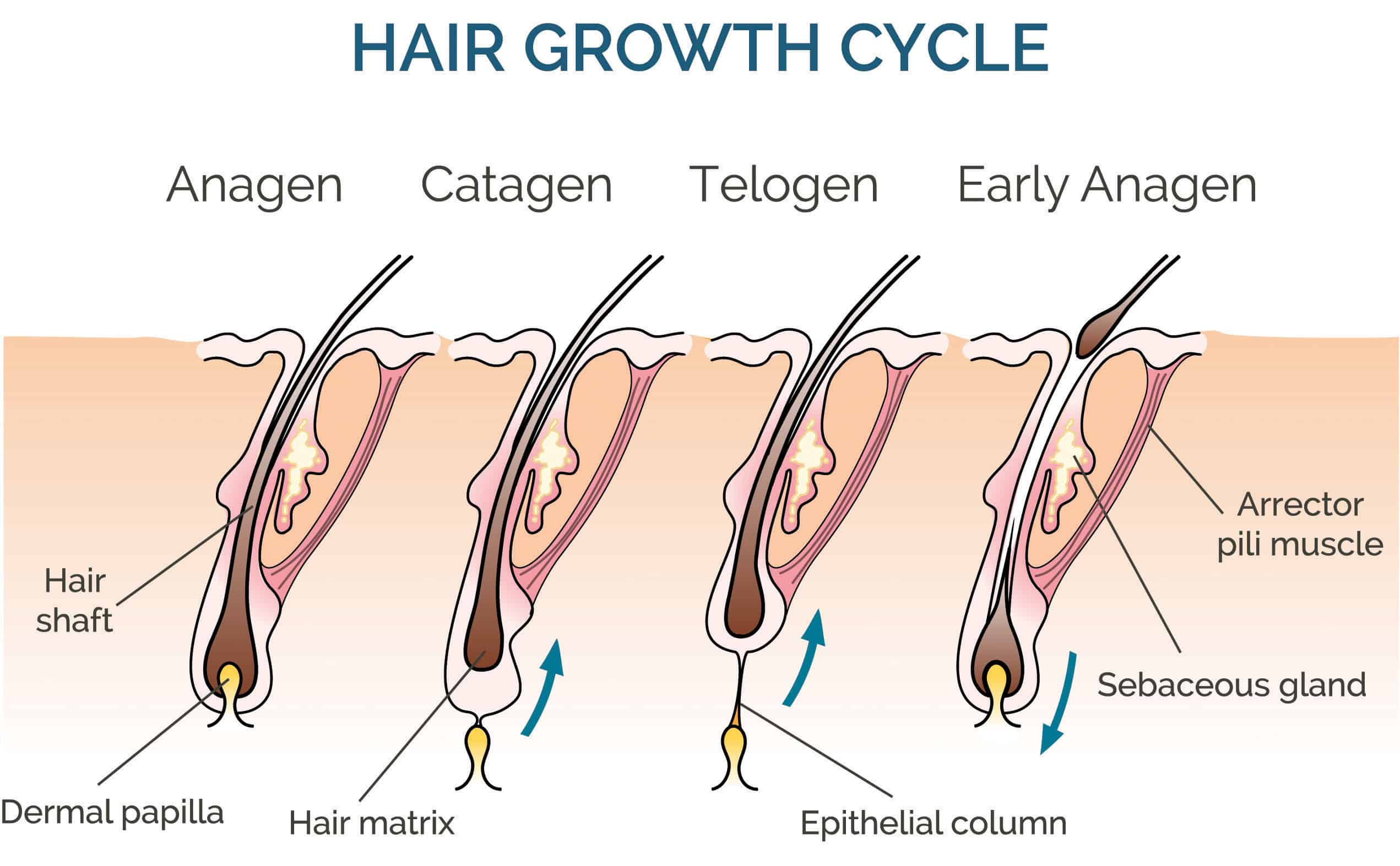
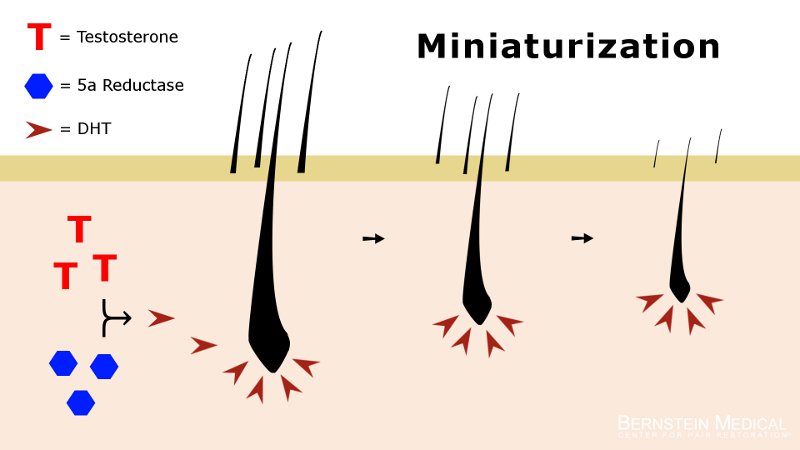
Hair follicles exist as metabolically active mini-organs. Each follicle requires continuous oxygen delivery, nutrient supply, hormonal tolerance, immune stability, and sufficient cellular energy to sustain division. When any of those systems degrade, follicles adapt by conserving energy. They shorten growth cycles. They reduce the shaft diameter. Eventually, they suspend growth entirely.
This process unfolds silently over the years. By the time shedding becomes visible, the follicle has already crossed multiple internal stress checkpoints. What appears to be sudden hair loss often reflects delayed recognition of long-term biological decline.
The Follicle Does Not Respond to Hope — It Responds to Signals
Hair follicles operate independently of belief, marketing, or emotional investment. They respond only to measurable physiological inputs.
These inputs include:
- Capillary blood flow
- Oxygen tension
- Inflammatory signaling
- Hormonal receptor stability
- ATP availability at the cellular level
When these signals fall below tolerance levels, follicles exit active growth. No topical ingredient can override that state.
That explains why two people can use the same product, follow the same routine, and experience opposite outcomes. One follicle environment supports growth. The other does not.
Why “Good Ingredients” Consistently Fail
Topical products rarely fail because their ingredients lack potential. They fail because the follicle cannot receive what is applied.
Three biological bottlenecks block uptake:
1. Impaired Scalp Microcirculation
Healthy follicles rely on dense capillary networks to deliver nutrients and oxygen. In thinning scalp tissue, these vessels constrict. Blood velocity slows. Delivery becomes insufficient.
When circulation drops, topical actives remain at the surface. The follicle never receives them in meaningful concentrations.
2. Chronic Low-Grade Inflammation
Inflammation alters receptor signaling. It increases tissue resistance. It disrupts growth-phase signaling. Even mild, chronic inflammation keeps follicles locked in a defensive state.
Inflamed tissue prioritizes survival—not regeneration.
3. Cellular Energy Deficiency
Hair growth requires massive energy output. Matrix cells divide rapidly. Keratin production demands ATP. When mitochondrial output drops, growth becomes biologically impossible.
No ingredient can force growth in an energy-deficient cell.


The Silent Timeline of Follicle Shutdown
Hair loss does not begin when hair falls out. It begins when the follicle starts adapting to Stress.
Phase 1: Circulatory Decline
Capillary density decreases. Oxygen availability drops. Nutrient delivery slows.
Phase 2: Inflammatory Sensitization
Immune signaling increases. Growth phases shorten. Hair diameter narrows.
Phase 3: Metabolic Exhaustion
Mitochondrial efficiency declines. ATP production fails to meet demand.
Phase 4: Hormonal Intolerance
Normal androgen levels become disruptive due to receptor hypersensitivity.
At no point does the follicle “decide” to stop growing. It simply loses the biological capacity to continue.
Why DHT Became the Perfect Villain
DHT dominates hair loss conversations because it offers a simple explanation. But simplicity does not equal accuracy.
DHT does not destroy healthy follicles. It exploits compromised ones. Healthy follicles tolerate normal androgen exposure without issue. Weak follicles cannot.
This distinction matters because suppressing DHT without restoring follicle health often yields short-term stabilization at the expense of long-term dependence. The underlying vulnerability remains unaddressed.
DHT functions as a stress amplifier—not the root cause.
The Threshold Model That Explains Everything
Hair regrowth activates only when multiple systems improve simultaneously. Improvement in isolation does nothing.
Think of follicle activation as a combination lock:
- Improve circulation alone → no regrowth
- Reduce inflammation alone → no regrowth
- Add nutrients alone → no regrowth
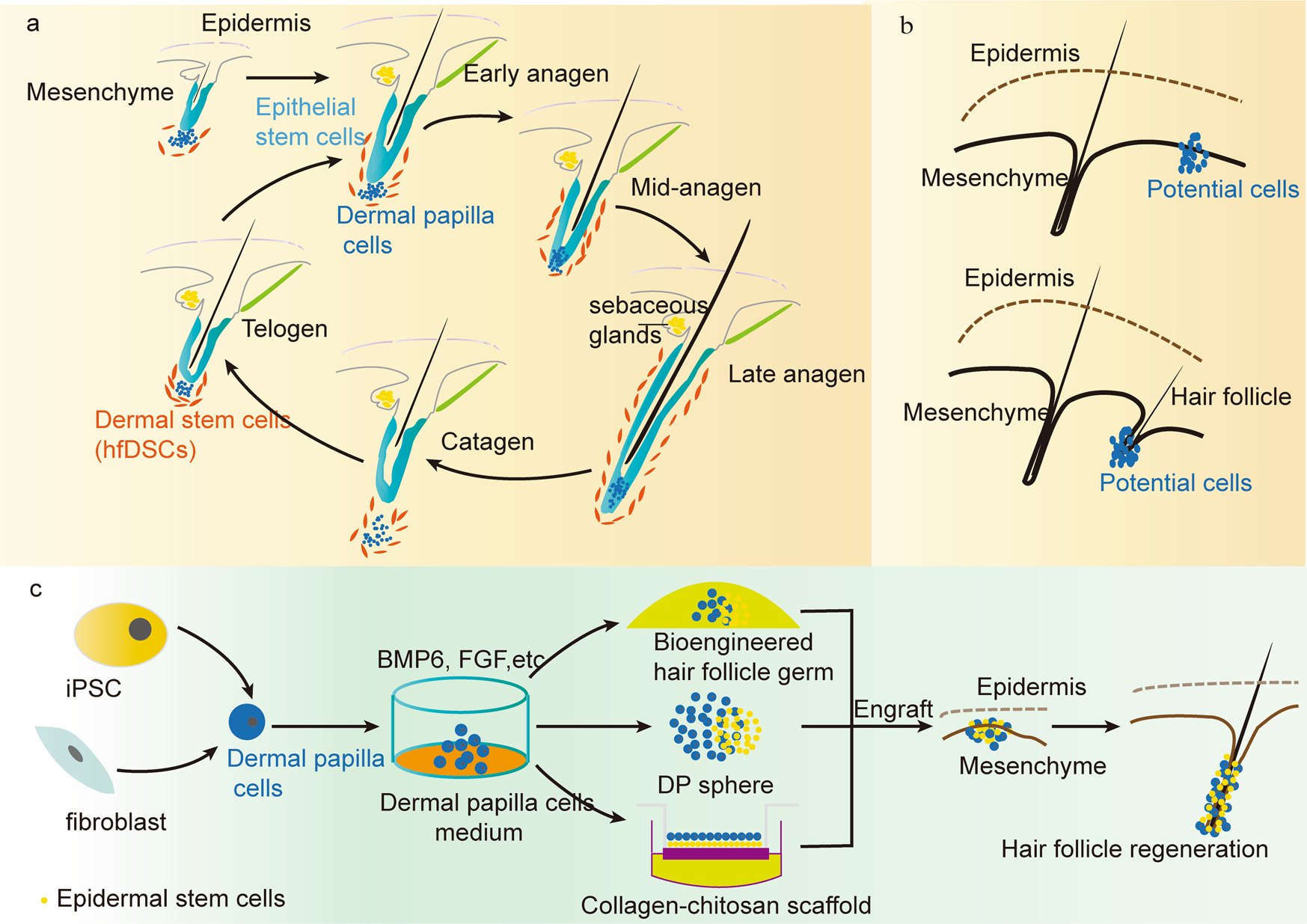
But when circulation improves, inflammation drops, and energy production recovers, follicles re-enter anagen growth.
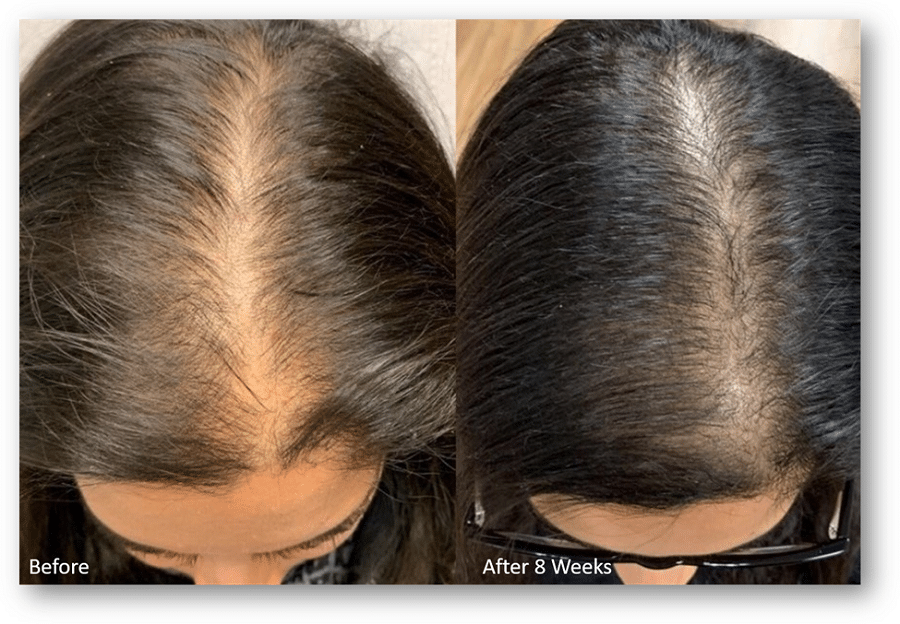
That explains why people experience sudden improvement after months of stagnation. The system did not gradually improve—it crossed a biological threshold.
Why Consistency Without Strategy Fails
Consistency amplifies the effects of correct actions. It does nothing for the incorrect ones.
Most people remain consistent with:
- Shampoos
- Random oils
- Inconsistent supplementation
- Surface-level massage
Very few remain consistent with:
- Reducing systemic inflammation
- Supporting mitochondrial health
- Improving oxygen delivery
- Lowering chronic stress signaling
The follicle does not care how disciplined you feel. It responds only to whether survival conditions improve.
Stress: The Most Ignored Accelerator of Hair Loss
Chronic Stress sabotages hair growth through multiple pathways simultaneously.
Stress:
- Constricts blood vessels
- Increases inflammatory cytokines
- Disrupts hormonal balance
- Depletes magnesium and B-vitamins
- Impairs mitochondrial efficiency
This explains why hair loss often accelerates during life transitions, illness, emotional trauma, or prolonged overwork. The follicle reads Stress as a survival threat and conserves energy accordingly.
Hair growth requires safety. Stress signals danger.
Why Hair Is a Metabolic Luxury
The body prioritizes survival over aesthetics. When resources become limited, hair growth shuts down before vital organs suffer.
This is why hair improves when health improves—even unintentionally. People who fix sleep, nutrition, Stress, or inflammation often see hair return without targeting hair directly.
They restore systemic stability. The follicle follows.
The Marketing Trap That Keeps People Failing
Hair loss marketing focuses on visible actions because invisible biology is harder to sell.
Bottles feel productive. Physiology feels abstract.
This creates a cycle:
- Try product
- See no change
- Assume genetics won
- Quit
In reality, the person never corrected the internal environment required for success.
Why Some People Regrow Hair “By Accident”
You have seen it happen when you change your lifestyle. Improves sleep. Reduces Stress. Recovers from illness. And hair improves unexpectedly.
They did not target hair. They corrected bottlenecks. Hair responded automatically.
Hair regrowth always follows biology—not intention.
The Four-Pillar Regrowth Framework
Effective regrowth requires simultaneous correction of four systems:
1. Circulation
Restores oxygen and nutrient delivery.
2. Inflammation Control
Normalizes immune signaling and receptor function.
3. Cellular Energy
Supports mitochondrial ATP production.
4. Hormonal Tolerance
Reduces receptor stress without blunt suppression.
Ignore one pillar, and progress stalls.
Your Turn
If you’ve read this entire post, I’d genuinely like your perspective.
Did this article change how you think about hair loss—or about health and biology in general?
Do you feel this understanding could help improve your life by saving time, money, or frustration?
👉 Leave a comment and share what resonated most—or what challenged your thinking.
👉 Bookmark this post and revisit it as you make changes; insight compounds over time.
👉 Share this article with a friend or family member who may be struggling silently with hair loss or chronic Stress.
Knowledge only matters when it’s applied—and when it’s shared.